PlaceMaking for Inclusive Communities

Project Summary

We’re reshaping how communities engage with neighbourhood planning, ensuring inclusive participation and empowering residents to shape their local areas.


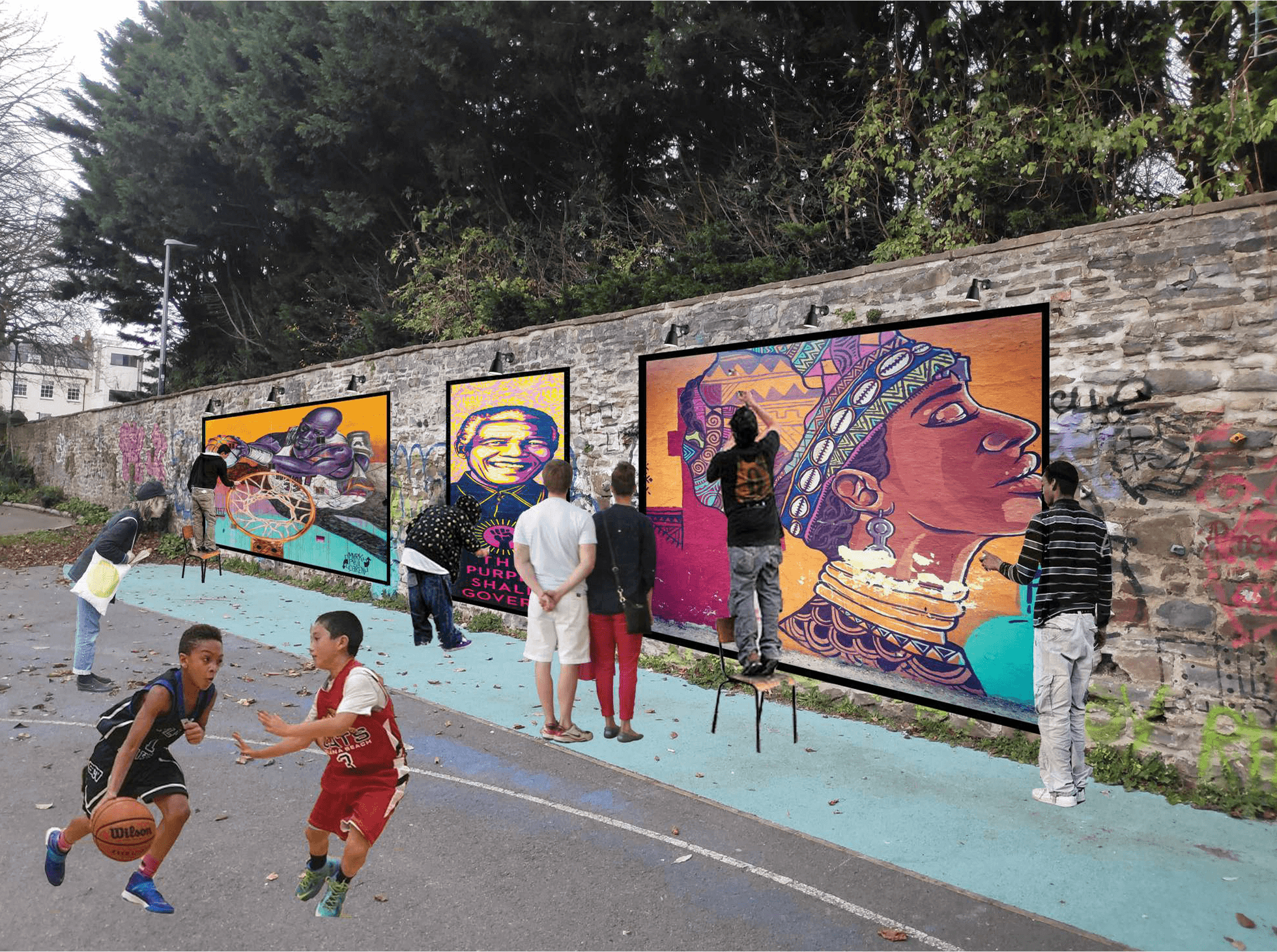
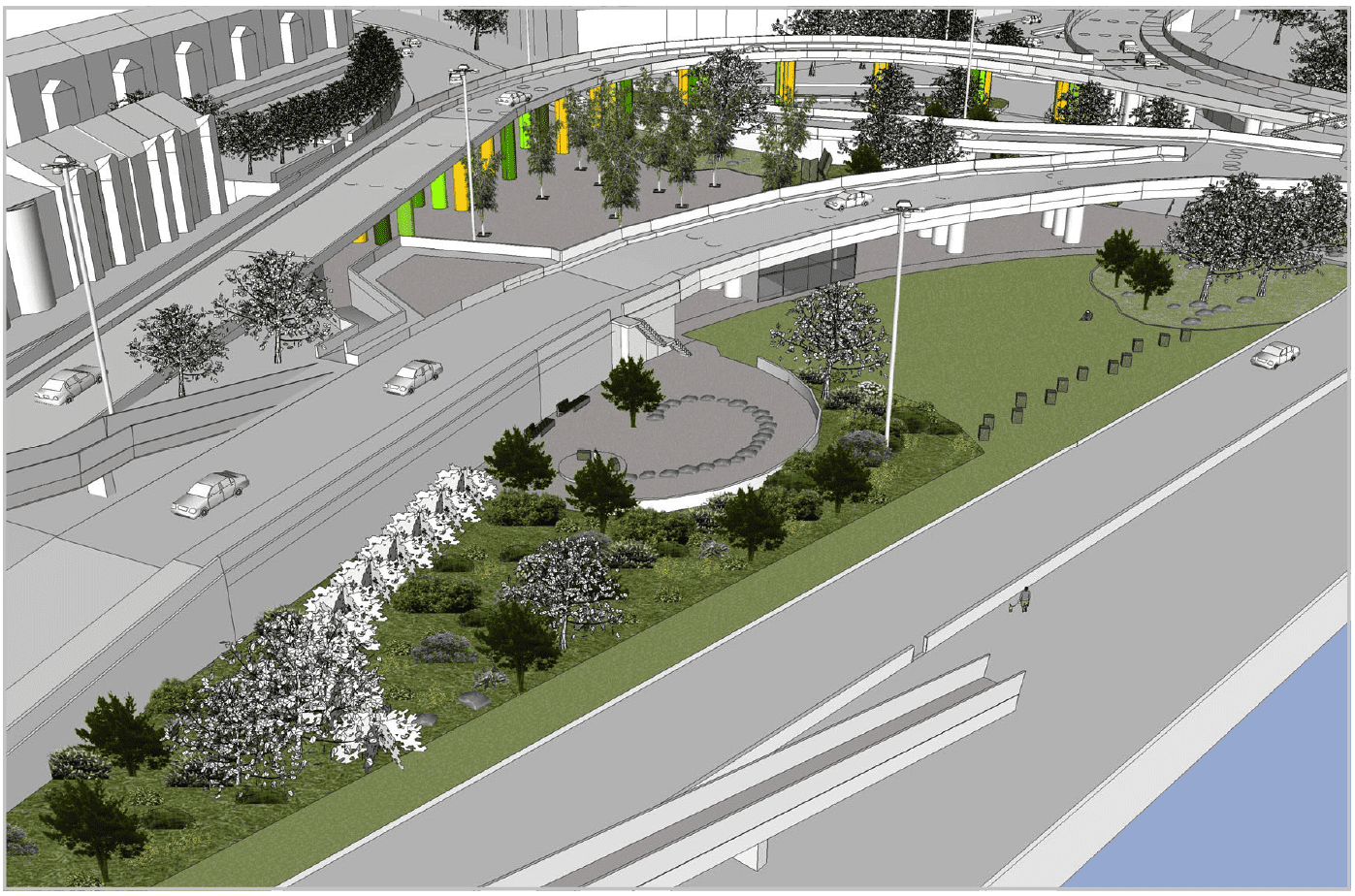
PlaceMaking for Inclusive Neighbourhoods is an annual legacy project in partnership with the University of the West of England (UWE) Architecture Department. This project aims to reframe traditional neighbourhood planning methods to be more inclusive and accessible, empowering underrepresented residents to shape their local needs and futures.
The Challenge

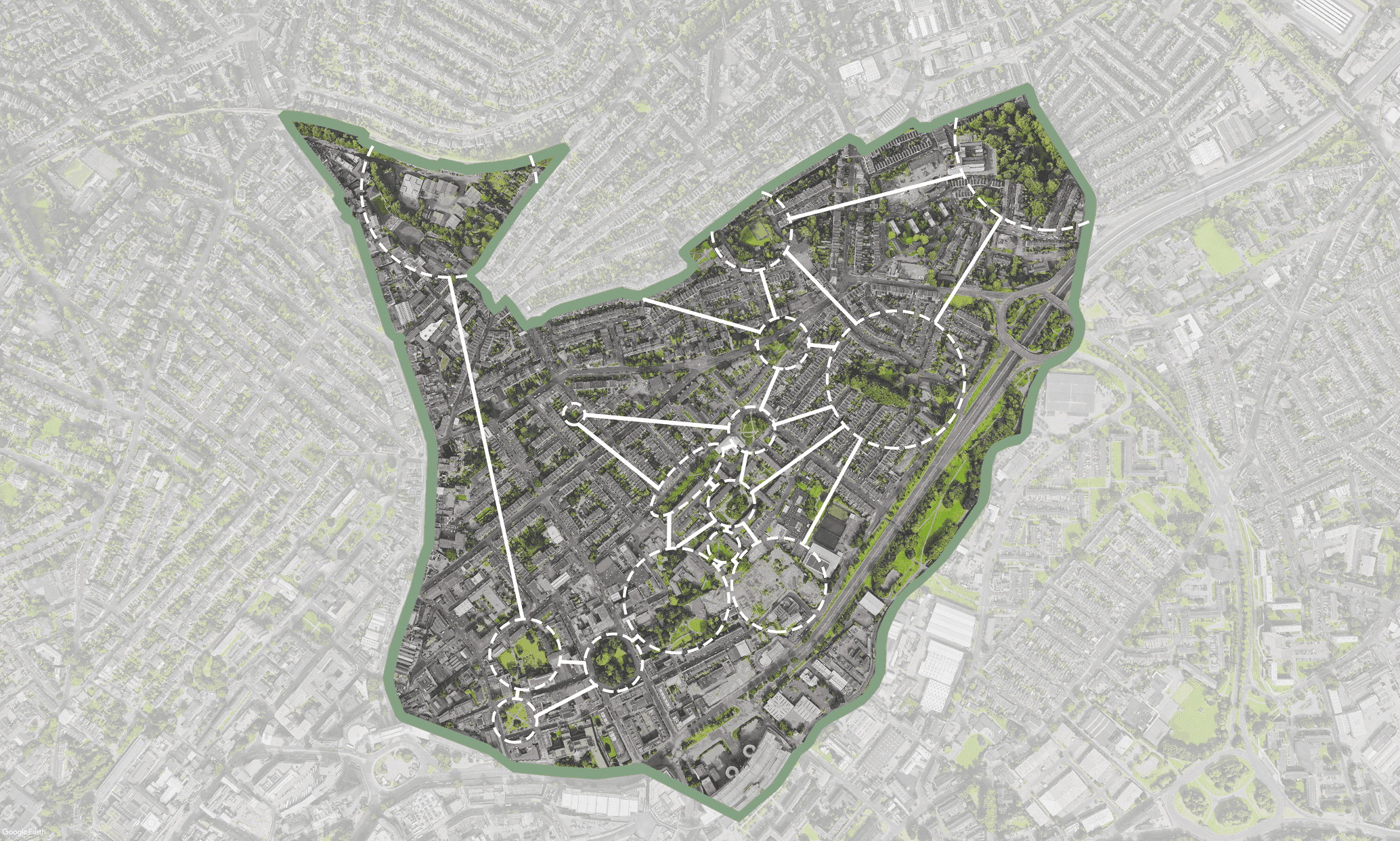
Traditional community engagement methods often exclude underrepresented groups, leading to unequal participation and a lack of diverse perspectives in neighbourhood planning.


Marginalised and lower-income groups, as well as disabled people, children, and carers, were not adequately represented in traditional processes for neighbourhood planning, and existing methods were often inaccessible to them. The resulting concentration of power among a few vocal individuals hindered inclusive decision-making.

Feedback and Testimonials

Residents and students involved in the project expressed positive feedback regarding the inclusive and educational nature of the engagement process.

Participating in the engagement sessions made me feel like my voice truly matters in our community's future

Maria ThompsonLocal Resident

Working on this project provided invaluable real-world experience in community-focused design

James PatelUWE Architecture Student

Our Solution

Cognitive Paths implemented a strategy focused on reframing localism, integrating inclusive engagement methods, and empowering communities with the necessary resources.


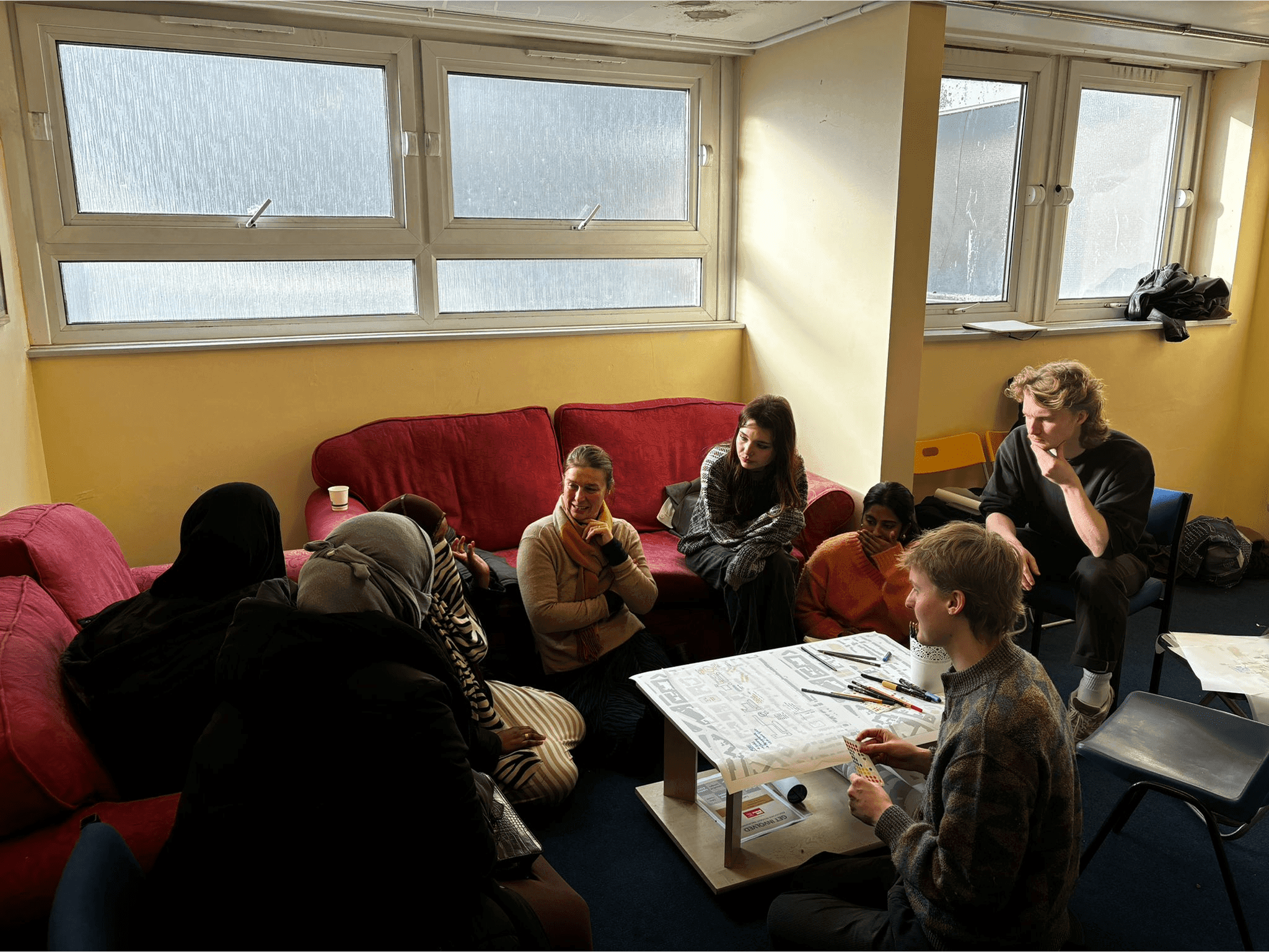
This solution involved partnering with 26 UWE architecture students to bring fresh perspectives, developing bespoke engagement strategies based on local needs and identities, targeted outreach to marginalised groups, and conducting onsite community work to build trust and understanding.

Results & Impact

This project successfully increased community participation, particularly among underrepresented groups, and fostered a greater sense of community ownership over local developments.

1500
The project engaged 1,500 residents through 23 sessions across five neighbourhoods
7
completed seven collaborative projects
15
and saw a 15% increase in membership signups

Future Outlook

Building on this success, future iterations of PlaceMaking for Inclusive Neighbourhoods will focus on further refining inclusive engagement methods and expanding the programme’s reach to more communities.


This approach includes developing new tools and resources to support community-led planning, ensuring sustained participation, and maximising the positive impact on local areas.